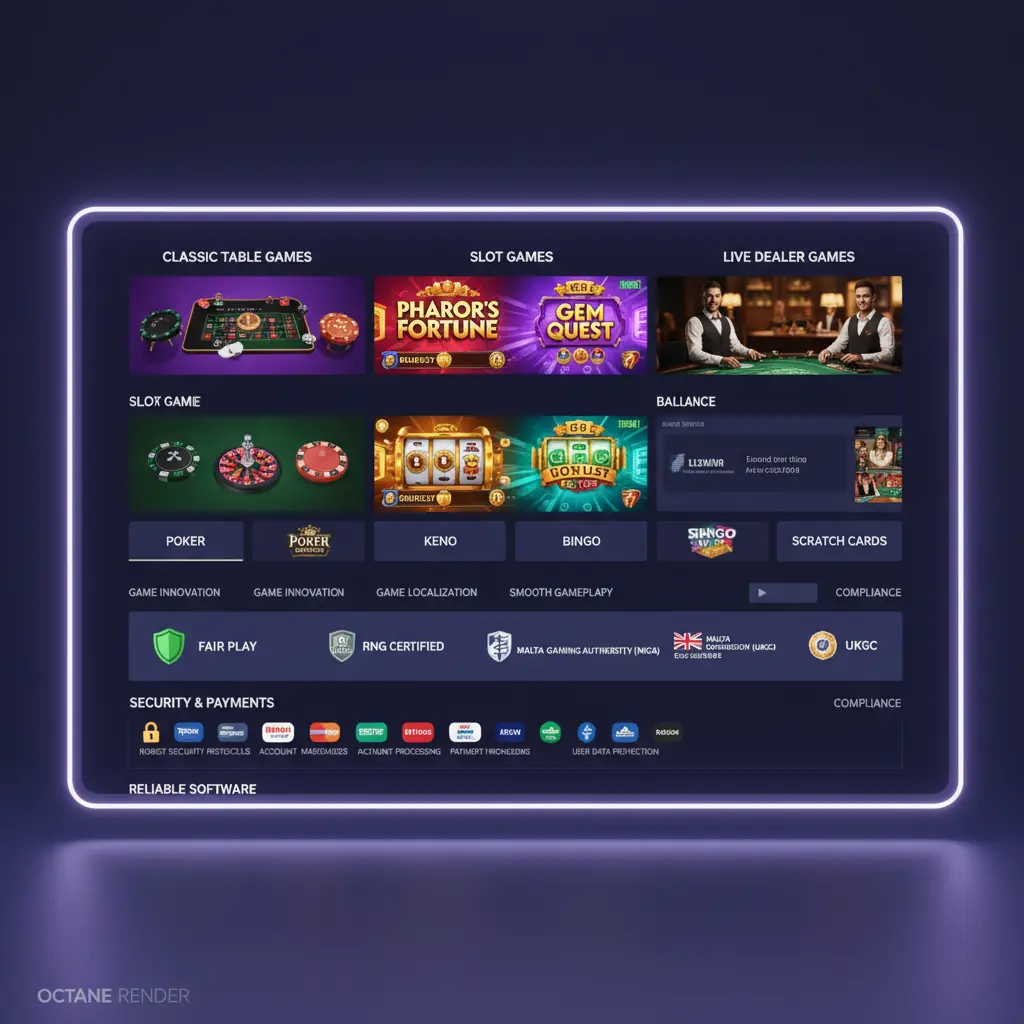
Imagine launching your online casino with a bang, only to watch the excitement fizzle as players complain about glitchy games and a lackluster selection. Or picture a competitor surging ahead, their vibrant, engaging titles drawing players away from your platform. These scenarios aren’t just hypothetical; they’re the real-world consequences of choosing the wrong iGaming providers. The impact of your online casino software choices extends far beyond mere aesthetics. It directly influences your revenue, player satisfaction, and overall brand reputation.
With a sea of iGaming providers vying for your attention, navigating the selection process can feel daunting. But fear not! This guide cuts through the noise, offering actionable insights and a proven framework for confidently choosing the best provider for your needs. Forget generic advice; we are providing ways to confidently assess your options and make informed decisions that will propel your casino toward success.
Understanding the iGaming Landscape
The iGaming market is experiencing explosive growth, transforming the entertainment industry. Fueled by technological advancements and shifting consumer behavior, this expansion presents both opportunities and challenges for operators. Recent data indicates a significant surge in online gambling activity, highlighting the need for a strategic approach when choosing game vendors.
Online gambling trends vary across different regions. The United States, for example, is witnessing increasing iGaming market activity due to regulatory changes and growing acceptance of online platforms. India’s iGaming market is thriving, driven by increased internet access and the widespread popularity of mobile gaming. Latin America is also becoming a key player as digital payment solutions become more accessible and operators offer customized experiences tailored to local preferences.
Several factors contribute to this widespread iGaming adoption. Improved internet infrastructure allows for seamless gaming experiences. Mobile gaming provides convenience and accessibility on the go. The rise of secure digital payment options builds trust and facilitates transactions. Furthermore, operators are investing in personalized gaming experiences to attract and retain players.
These insights are crucial when selecting game vendors. Operators must partner with providers who understand regional nuances and can deliver content that resonates with local audiences. Regulatory changes also play a significant role, requiring vendors to adhere to specific licensing and compliance requirements. Choosing a provider with a proven track record in navigating these complexities is essential for long-term success.
Key Factors to Evaluate Game Providers
Evaluating game providers demands a discerning eye, blending technical insight with business acumen. It’s not merely about flashy graphics; it’s about long-term partnership potential.
- Diverse game portfolio = increased player engagement:A spectrum of games ensures there’s something for every player, keeping them engaged and reducing churn.
- RNG certification = trust and confidence: Independent verification of fairness builds player trust and protects your reputation.
- Robust technical capabilities = seamless integration: A provider’s tech stack impacts integration speed, game stability, and overall platform performance.
- Comprehensive regulatory compliance = market access: Licenses from reputable bodies unlock access to key markets and foster long-term sustainability.
I remember one situation where a provider’s games looked great but lacked proper RNG certification. We had integrated their content, only to face scrutiny from regulators. It was a scramble to remove the games and source alternatives, costing time and money. Now, compliance is the first box we tick.
Game Portfolio Depth and Variety
A robust casino game portfolio should showcase a rich tapestry of options. Slot games reign supreme, with countless themes, payline structures, and bonus features. Table games like blackjack, roulette, and baccarat offer classic casino experiences, while live dealer games bridge the gap between online and brick-and-mortar casinos with real-time interaction. Don’t overlook specialty games like keno, bingo and scratch cards, which provide welcome diversion and attract casual players.
The choice between a massive portfolio and a curated selection of high-quality titles depends on strategic priorities. A vast library offers something for everyone, while a focused approach allows for deeper customization and stronger branding.
Fairness and Compliance
Fairness and compliance are non-negotiable in iGaming. Reputable game providers hold licenses from recognized regulatory bodies like the Malta Gaming Authority (MGA), the UK Gambling Commission (UKGC), and Curaçao eGaming. These licenses ensure adherence to strict standards, including RNG (Random Number Generator) certification, which guarantees game outcomes are truly random and unbiased.
RTP (Return to Player) percentages must be transparent and independently verified. Compliance audits are essential to maintain licensing and avoid hefty fines. I once encountered a situation where a provider claimed compliance, but their RTP figures couldn’t be verified by independent auditors. We immediately ceased all business with them, prioritizing regulatory integrity over potential profits.

Deep Dive into Game Portfolio Analysis
When evaluating a casino software provider, the sheer number of games in their portfolio is only a starting point. A truly comprehensive assessment requires a deeper dive into the game quality, game innovation, and game localization aspects of their offerings. The best providers prioritize engaging experiences over simply amassing a large catalog.
Game quality is paramount. This encompasses not only the visual appeal and sound design but also the smoothness of gameplay, the fairness of the mechanics, and the overall reliability of the software. A buggy, visually dated, or unfair game, however numerous, will quickly drive players away. Consider whether a provider is building for the future, or offering more of the same.
Game innovation is another crucial factor. Does the provider simply rehash existing concepts, or are they pushing the boundaries of what’s possible in online casino gaming? Predictable schedules for new releases and feature-based updates are essential. Cosmetic changes alone rarely sustain player engagement. The focus should be on introducing fresh mechanics, inventive themes, and engaging bonus features that resonate with players.
Game localization is often overlooked, but it can have a significant impact on success. This goes beyond simple translation, extending to adapting game themes, offering language support, and adjusting betting limits to align with the preferences of target regions. Providers who understand this nuance are far more likely to achieve significant market penetration. A successful example can be seen in providers who tailor games to reflect cultural nuances and preferences, resulting in higher casino content adoption rates and player satisfaction in those specific markets.
Assessing Technical Capabilities and Integration
The backbone of any successful iGaming operation lies in its technical prowess. Evaluating an iGaming platform provider goes far beyond flashy interfaces; it demands a deep dive into the nuts and bolts that ensure seamless operation. Platform stability is paramount. Downtime translates directly to lost revenue and frustrated players. Think of it like this: a glitch in the system during a peak period can send players scurrying to competitors faster than you can say “reload.”
Game loading times are another critical factor. In today’s lightning-fast digital world, patience is a rare commodity. Slow loading times are a death knell for player engagement. I recall one instance where an otherwise excellent game suffered from excruciatingly slow load times. Player feedback was immediate and brutal, forcing us to temporarily pull the game and demand immediate optimization from the provider.
Mobile compatibility is no longer a “nice-to-have”; it’s a fundamental requirement. The majority of players now access iGaming platforms via their smartphones and tablets. A clunky, poorly optimized mobile experience is simply unacceptable. The platform must deliver a smooth, intuitive experience across all devices and operating systems.
Finally, seamless API integration with existing systems is crucial. Account management, payment processing, and robust security protocols must function in perfect harmony. A fragmented, disjointed system creates operational headaches and increases the risk of security breaches. We once faced a nightmare scenario when integrating a new payment gateway that wasn’t properly vetted. The resulting delays and errors in processing payouts caused a major uproar among players and severely damaged our reputation.

Navigating Licensing, Regulation, and Security
Choosing a trustworthy online casino hinges on understanding licensing, regulation, and security protocols. Prioritizing providers that possess proper licensing and robust regulatory oversight is paramount. These certifications aren’t just window dressing; they represent a commitment to fair play and the stringent protection of user data.
Reputable licensing bodies, such as the Malta Gaming Authority (MGA), the UK Gambling Commission (UKGC), and Curaçao eGaming, impose rigorous standards on their licensees. These standards range from ensuring the fairness of games through audited Random Number Generators (RNGs) to implementing Know Your Customer (KYC) and Anti-Money Laundering (AML) procedures. Compliance with these regulations provides players with a layer of security and confidence.
The lack of proper certification can expose players to significant risks. Once, I encountered a casino that lacked proper licensing, which led to delayed payouts and questionable game integrity. To mitigate this, I contacted other players, gathered evidence of unfair practices, and reported the casino to a consumer protection agency, eventually leading to the casino facing scrutiny and improving its practices.
Building a Long-Term Partnership
Selecting an iGaming provider transcends a simple transaction; it’s about forging a lasting alliance. This decision is pivotal, setting the stage for sustained growth and success in the competitive online gaming landscape. The ideal provider functions as a strategic partner, deeply invested in your casino’s long-term prosperity.
Think of it as more than just a vendor relationship. It’s an iGaming partnership built on mutual goals, shared vision, and unwavering support. The right provider becomes an extension of your team, offering not just software and solutions, but also invaluable expertise and guidance. This collaborative approach is crucial for navigating the ever-evolving challenges and opportunities within the iGaming industry.
Furthermore, reliability, transparency, and regulatory strength are non-negotiable qualities in a potential iGaming partner. A provider with a proven track record of stable platforms, clear communication, and adherence to industry regulations provides a foundation of trust. This trust is essential for fostering a strong, enduring relationship that benefits both parties. It’s about securing a trusted partner who delivers the gaming environment that drives casino growth and long-term collaboration. A strategic alliance like this is what separates fleeting success from lasting dominance.
Conclusion
Choosing a game provider is more than just filling your casino with games; it’s a strategic investment into its very foundation. Don’t get caught up in short-term hype. Look for a partner who brings long-term value to the table, demonstrates cutting-edge technical capabilities, and is eager to build a truly collaborative partnership. Forget the quick fix – focus on building something sustainable that will pay off for years to come.
The future of iGaming depends on smart choices made today. Choosing the right partner is just the first step. Are you ready to take the next step in securing your casino’s future? This is where the real adventure begins, and finding the right team will set you far apart from your competitors in this saturated market.