
The glittering lights, the clatter of chips, the promise of fortune – casinos are designed to be irresistible. Walking through those doors, one can feel a surge of excitement, a sense that anything is possible. But beneath the surface of glamour lies a carefully constructed environment, one meticulously crafted by experts who understand the nuances of human psychology. It’s a realm where every color, every sound, and every scent is strategically employed to influence player behavior.
Casinos aren’t just places to gamble; they’re sophisticated psychological playgrounds. From the maze-like layouts that disorient you to the calculated placement of high-profit machines, every detail is designed to keep you playing longer and spending more. This article pulls back the curtain, revealing some of the most common – and effective – casino design tricks. The goal isn’t to scare anyone away from the fun and excitement a casino holds. Instead, we aim to empower players with knowledge. Understanding these techniques allows players to make informed decisions, turning the tables and ensuring their casino experience remains enjoyable and within their control.
The Psychology of the Playground: Understanding Casino Design Principles
Casinos are meticulously crafted environments, often described as ‘playgrounds’ for adults. This ‘playground’ design isn’t about swings and slides, but rather about creating a comfortable and alluring space that encourages exploration and, crucially, extended play. Think of it as environmental psychology in action, carefully calibrated to maximize player engagement within the casino atmosphere.
The core principle involves creating a disorienting yet stimulating space. Forget logical grids and straightforward pathways. Instead, casinos embrace a labyrinthine layout, a deliberate strategy to keep you wandering and, more importantly, gambling. This calculated lack of clear direction contributes to a sense of timelessness, where the outside world fades away and the focus narrows to the games at hand.
The ‘Lost in the Maze’ Mentality
The term ‘casino labyrinth’ isn’t an exaggeration. Casinos are intentionally confusing spaces, designed to disorient and subtly influence your behavior. Wayfinding, the ability to easily navigate a space, is actively discouraged. The intention is to create spatial disorientation, a feeling of being somewhat lost within the environment. This isn’t accidental; it’s a core element of the casino’s design philosophy.
The psychological impact of this disorientation can be significant. When you’re unsure of your surroundings, your decision-making processes can be subtly altered. It’s easy to lose track of time and money as you navigate the maze of slot machines and table games. The next time you find yourself wandering aimlessly in a casino, remember that this feeling wasn’t accidental. It’s all part of the carefully orchestrated ‘Lost in the Maze’ mentality.
Losing Track of Time: How Casino Design Distorts Perception
Casinos are meticulously designed environments, and one of their most potent strategies is the elimination of temporal cues. You’ll rarely find a clock on a casino wall, and windows are conspicuously absent. This isn’t an oversight; it’s deliberate. The goal is to detach players from the natural progression of time, encouraging them to gamble for longer periods. Natural light is a powerful reminder of the outside world and the time of day. Consistent artificial lighting, maintained at all hours, further erodes one’s sense of time passage. It’s easy to get caught up in the games and not even realize hours have flown by.
The psychological effect is profound. Without these familiar anchors, the brain struggles to accurately gauge how much time has elapsed. This disorientation can lead to impulsive decisions and a diminished sense of control over one’s gambling behavior. The absence of clocks isn’t about being rude; it’s about subtly manipulating perception to increase profitability.
The Illusion of Constant Activity
Adding to the time warp is the feeling of perpetual motion. Casinos are buzzing with constant noise, flashing lights, and the excited chatter of players. This immersive environment is carefully cultivated to create a sense of unending possibility. Even when a player isn’t actively gambling, the surrounding energy maintains their focus within the casino’s world. This constant stimulation overload contributes significantly to time distortion. The sheer busyness makes it way easier to lose track of time. After a couple of hours it might feel like 20 minutes.
The Power of Senses: How Sound, Light, and Ambiance Keep You Hooked
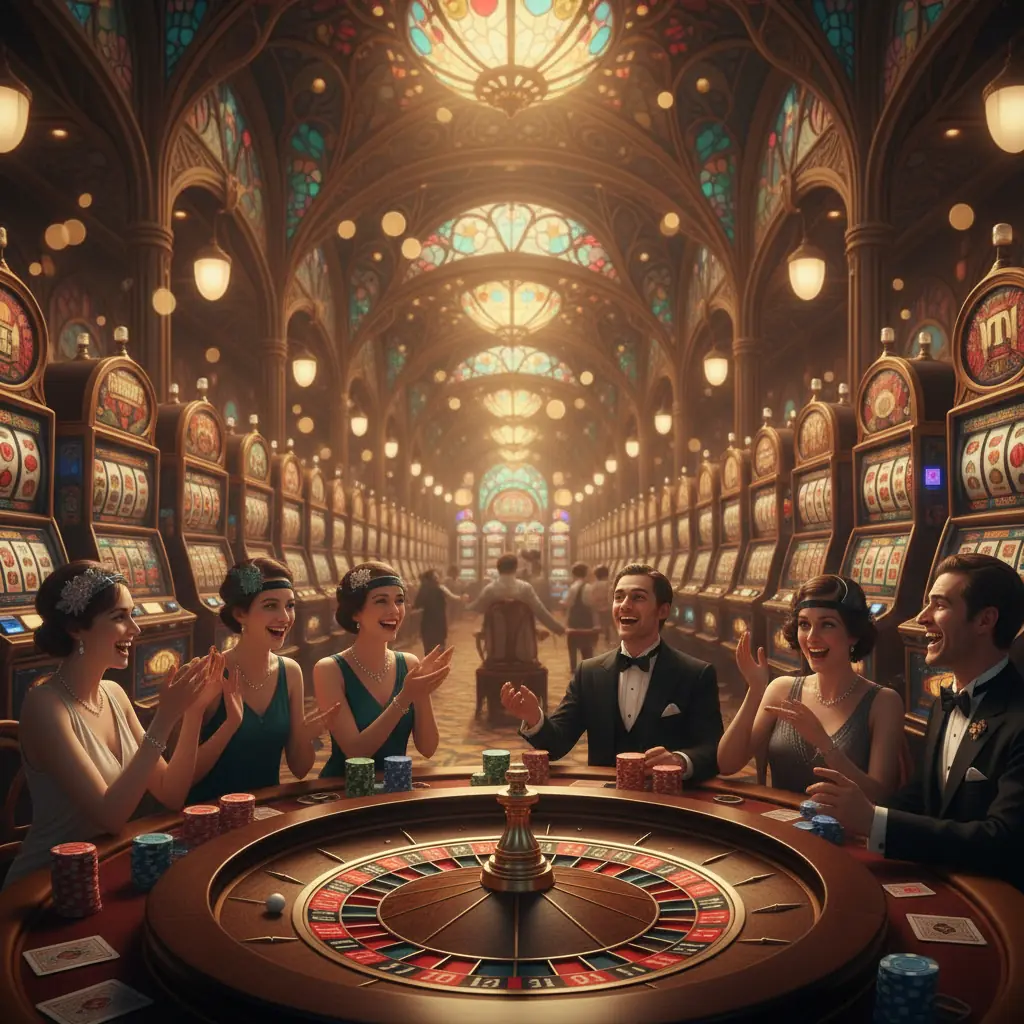
Casinos are masters of sensory manipulation, crafting environments designed to keep visitors engaged and, of course, gambling. It’s a carefully orchestrated symphony of sound, light, and even scent that subtly influences behavior. Think about it: the constant whirl and chime of slot machines isn’t random noise. These specific casino sounds are engineered to trigger a sense of excitement and anticipation. The occasional burst of cheering after a jackpot win amplifies that feeling, creating a contagious atmosphere where everyone feels like they could be next.
Casino lighting also plays a crucial role. Forget natural sunlight and the passage of time. Casinos often employ a mix of bright, stimulating lights to create excitement and direct focus toward the games. Soft, indirect lighting in other areas encourages relaxation and continued play. The goal is to disorient you just enough to lose track of time and your spending.
And let’s not forget the power of scent. Many casinos utilize carefully selected aromas to create a pleasant, almost addictive atmosphere. These casino scents are designed to be subtle yet memorable, encouraging visitors to linger longer and associate positive feelings with the experience. It’s all part of the atmospheric design, a multi-sensory approach to maximizing engagement and profitability.
Color Psychology: More Than Just Decoration
Casino color schemes aren’t just about aesthetics; they’re a calculated application of color psychology to influence gambling behavior. Warm colors like red and yellow are frequently used because they are stimulating and energizing. They can create a sense of excitement and urgency, prompting quicker decisions – exactly what a casino wants. Walking through one, it is a feast for the eyes, which can be overwhelming.
In contrast, cooler colors like blue and green are often used in areas designed for relaxation, such as lounges or restaurants. These colors promote calmness and can encourage visitors to unwind and spend more time (and money) within the establishment. The subconscious messaging conveyed by these colors is powerful.
The role of branding plays into this too. Casinos often choose colors that align with their brand identity, reinforcing a subconscious connection between the color, the brand, and the desired emotional response. Every color is carefully considered to create an environment that encourages gambling and enhances the overall casino experience. This is all part of creating the perfect psychological environment.
Nudging You to Play: Game Placement and Accessibility
Casinos are masterfully designed to maximize player exposure and subtly encourage spontaneous play. Game placement isn’t random; it’s a carefully orchestrated strategy. The most popular and visually stimulating games are strategically positioned in high-traffic areas, like entrances and walkways. This ensures maximum visibility, acting as a constant temptation for visitors. The idea is simple: the more you see, the more likely you are to play.
Accessibility is another key factor. ATMs and cashier stations are conveniently located throughout the casino floor. Imagine walking through a casino, the sounds of winning bells and spinning reels fill the air. Almost immediately, neon signs point the way to strategically placed ATMs. It’s incredibly easy to access funds, which, of course, reduces any friction that might prevent someone from playing. This ease of access encourages extended play, turning a casual visit into a potentially longer and more involved gambling session.
The Illusion of Choice Architecture
Beyond game placement, casinos employ choice architecture, a concept rooted in nudge theory. This involves subtly influencing decision-making without restricting options. For instance, casinos might present certain games more prominently, use appealing lighting and sound effects around specific machines, or offer complimentary drinks to create a more relaxed and impulsive atmosphere. These subtle nudges guide player behavior. The goal is to create an environment that subconsciously encourages people to gamble.
Breaking the Spell: Strategies for Staying in Control
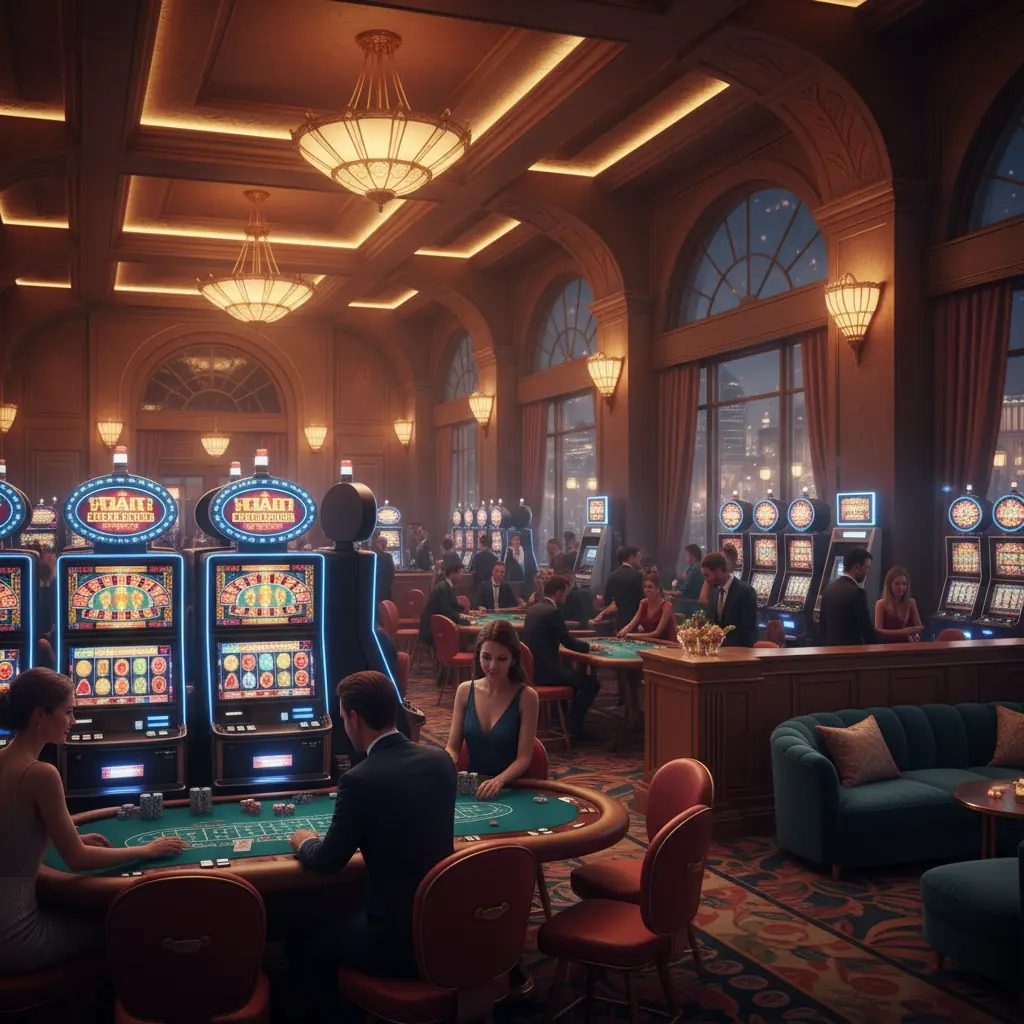
Casinos aren’t just about flashing lights and spinning reels; they’re meticulously crafted environments designed to influence behavior. Understanding these tactics is the first step toward responsible gambling. By becoming aware of the strategies casinos employ, players can implement mitigation techniques and make informed choices, ultimately staying in control of their gambling experience. It’s about recognizing the game within the game.
One powerful strategy involves setting clear time and budget limits before even stepping foot inside the casino. Decide how much you’re willing to spend and how long you’ll stay, and stick to it – no exceptions. This simple act can prevent impulsive decisions fueled by the casino’s atmosphere.
For instance, I once found myself caught up in the excitement of a winning streak, only to realize hours later that I’d significantly exceeded my planned spending. Now, I always set an alarm on my phone to remind me when it’s time to leave, regardless of how the game is going. This helps me detach from the immediate thrill and regain perspective. It’s important to acknowledge the tricks of any gambling environment and know that they can influence you.
Mindful Gambling: Awareness as Your Greatest Tool
Self-awareness is paramount to mindful gambling. Pay attention to how you feel – are you excited, anxious, or frustrated? Recognize that these emotions can impair your judgment. Notice physical sensations like a racing heart or sweaty palms, and acknowledge them as signs that you might be losing control. It’s important in this moment to understand that you can change your decision and stay in control.
Taking regular breaks is also crucial. Step away from the games, stretch, and get some fresh air. Staying hydrated is equally important, as dehydration can exacerbate feelings of stress and impair cognitive function. By being aware of your emotional and physical state, you can make more rational decisions and enjoy a responsible gaming experience.
Conclusion
Casino design is a carefully crafted strategy, a symphony of sights, sounds, and subtle psychological nudges all working to extend playtime and encourage spending. Understanding these tactics is the first step towards reclaiming control of the casino experience.
By recognizing the disorienting layout, the allure of readily available sensory stimulation, and the subtle manipulations of money and time perception, individuals can make more informed decisions. Awareness is a powerful tool. It allows one to appreciate the entertainment value of a casino while remaining grounded and responsible. Further exploration of responsible gaming strategies and a commitment to personal limits can transform a potentially risky venture into a source of enjoyable, mindful entertainment. Remember, the house always has an edge, but informed players have the power of choice.